Grupa Kapitałowa Grupa Azoty
Choose a company
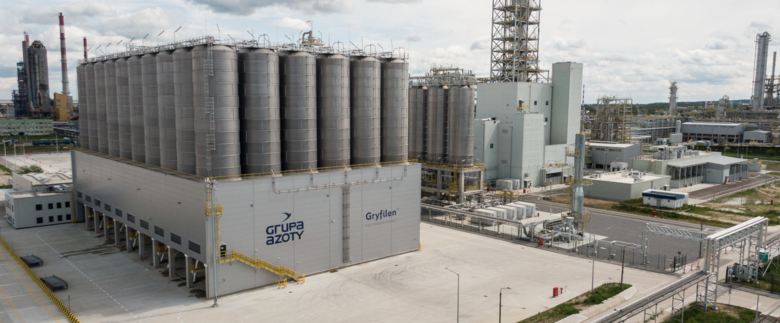
Hyundai Engineering Co., Ltd., the General Contractor for the Polimery Police project, has submitted two proposed amendments to the EPC contract. Notably, Grupa Azoty Polyolefins is currently negotiating with the General Contractor regarding the final settlement of the Polimery Police project, aiming to reach an agreement on mutual claims. As part of these negotiations, Grupa Azoty Polyolefins informed the General Contractor of its position and evaluation concerning the previous amendment proposals submitted in 2023 and February 2024. Based on the documents and information provided, Grupa Azoty Polyolefins has largely found no grounds to accommodate the contractor’s claims from 2023 and February 2024.
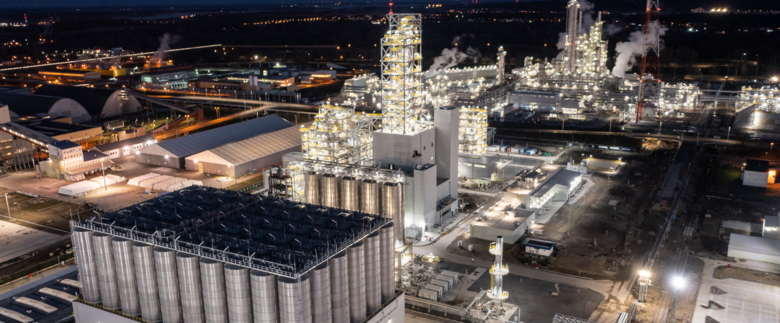
Grupa Azoty Polyolefins has extended the terms of the Stabilization Agreement, originally dated December 15, 2023, and later amended, concerning the financing of the Polimery Police project. The agreed-upon financing conditions provided by financial institutions will now remain in effect until September 30 of this year.

Following successful negotiations with the banks, Grupa Azoty Polyolefins signed an Amendment Agreement on August 6 to the Stabilization Agreement dated December 15, 2023, regarding the financing of the Polimery Police project. The parties have agreed on the conditions under which the Financial Institutions will provide financing for the project during the next period of the Stabilization Agreement, which extends until August 30, 2024. The Amendment Agreement was signed with 15 Financial Institutions.
Grupa Azoty Polyolefins S.A. has signed bilateral protocols of Conditional Provisional Acceptance with Hyundai Engineering Co., Ltd., the General Contractor for Polimery Police, for the Polypropylene Installation subproject and the H&ST Transshipment and Storage Terminal subproject. The Conditional Provisional Acceptance procedure has been introduced to expedite the transfer of the Polimery Police project from the General Contractor to commercial operations.
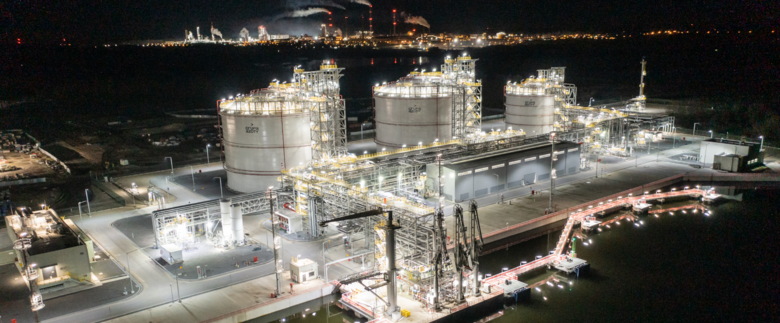
On June 14, Grupa Azoty Polyolefins finalized an Amendment to the Stabilization Agreement initially signed on December 15, 2023, ensuring continued financing for the Polimery Police project. This agreement with 15 financial institutions extends the financing terms until July 31, 2024.
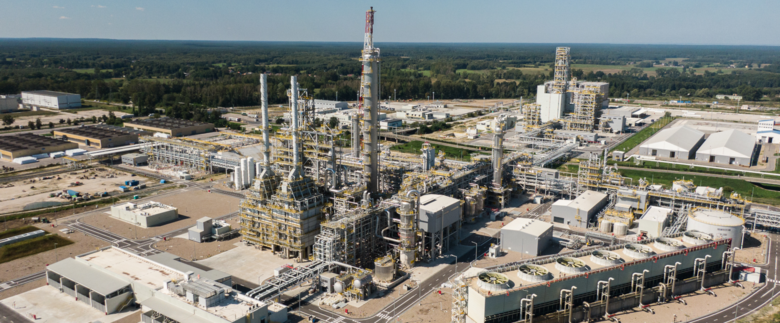
Following successful discussions with banks, Grupa Azoty Polyolefins signed an Amendment to the Stabilization Agreement, originally dated December 15, 2023, on May 29. The parties extended the financing conditions for the Polimery Police project until June 14, 2024. The Amendment involved 15 financial institutions.